Impact
Impact at a Glance
This film is built on more than a decade of investigative reporting at sea, spanning every ocean and dozens of countries. That reporting has produced documented, verifiable outcomes:
A murderer brought to justice
After a five-year investigation identified the victims, vessel, and perpetrators of the killing of at least seven unarmed men in the Indian Ocean, the captain of the Ping Shin 101 was arrested and sentenced to prison.
Chapter 1 — Maritime Merry-Go-RoundA conviction for sea slavery
Reporting on the trafficking of Lang Long led to the arrest and conviction of the ship captain who held him, and helped drive legislative and regulatory changes in Thailand, the United States, and the European Union.
Chapter 6 — The InterviewOne of the largest environmental fines in maritime history
Reporting on "magic pipes" chronicled the whistleblower case that resulted in federal charges and a $40 million fine against Princess Cruise Lines' parent company.
Chapter 3 — Magic PipeThe world's most-wanted poaching vessel, ended
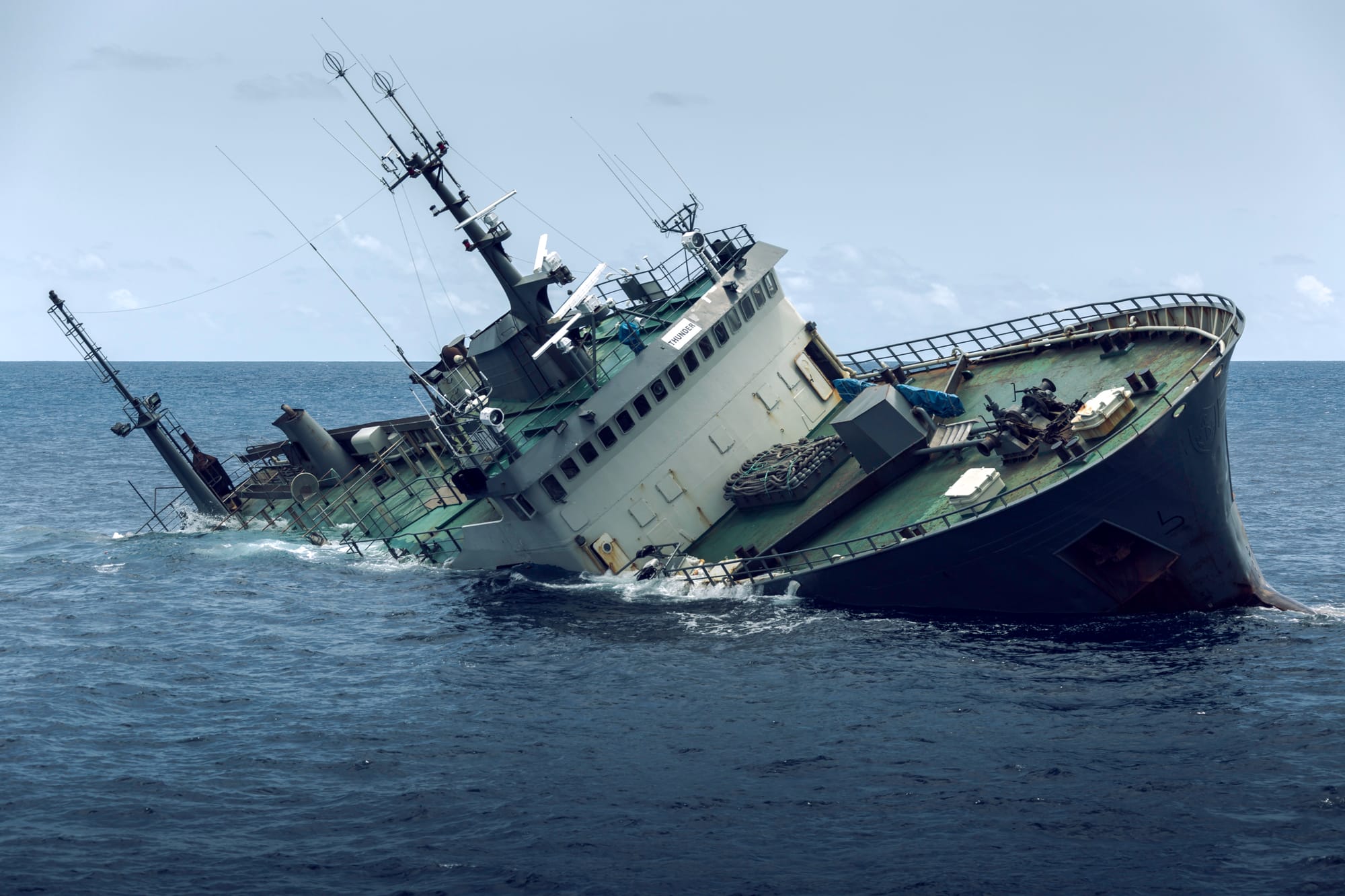
Coverage of the 110-day, 10,000-mile pursuit of the Thunder — among the longest sea chases in nautical history — culminated in the conviction and fining of its captain and officers.
Chapter 7 — Gods of Men
Maritime Merry-Go-Round
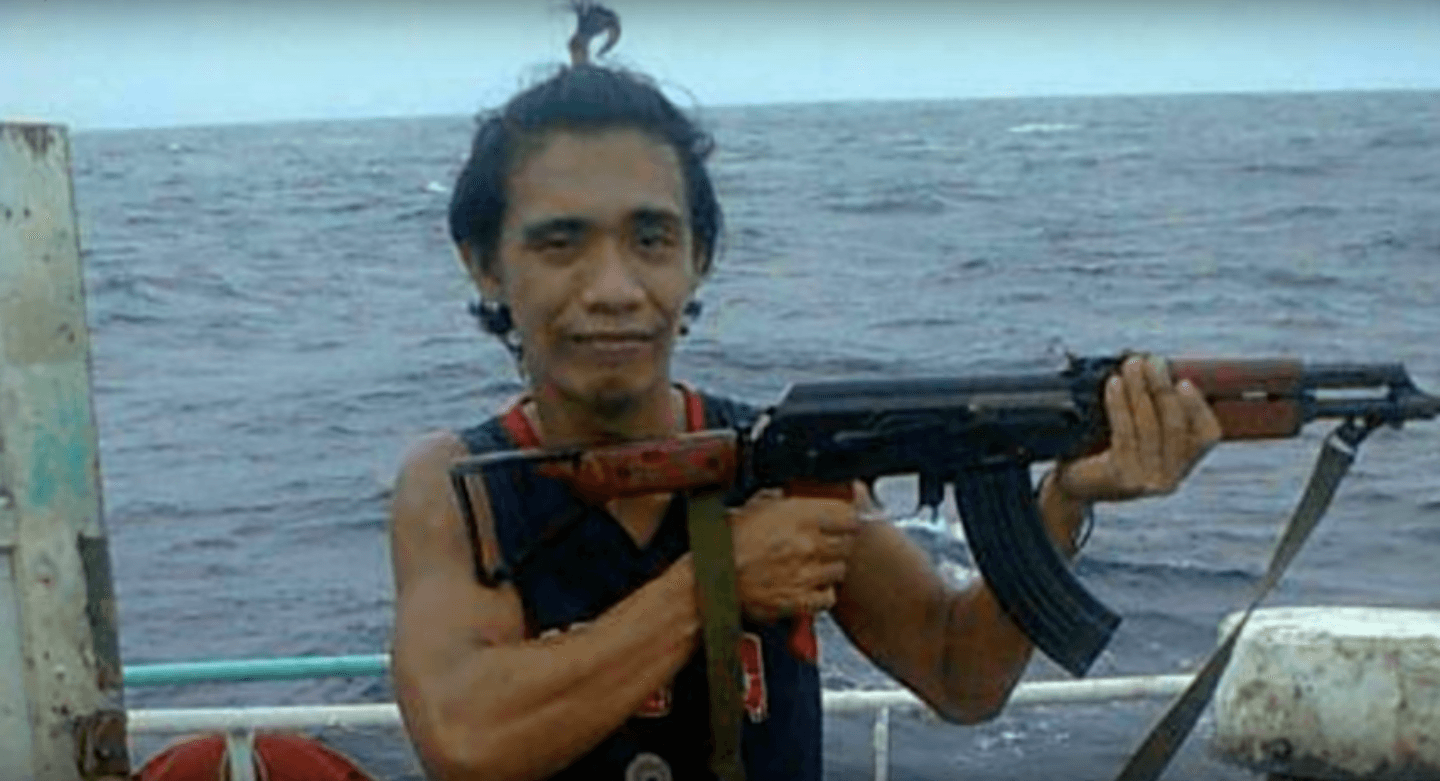
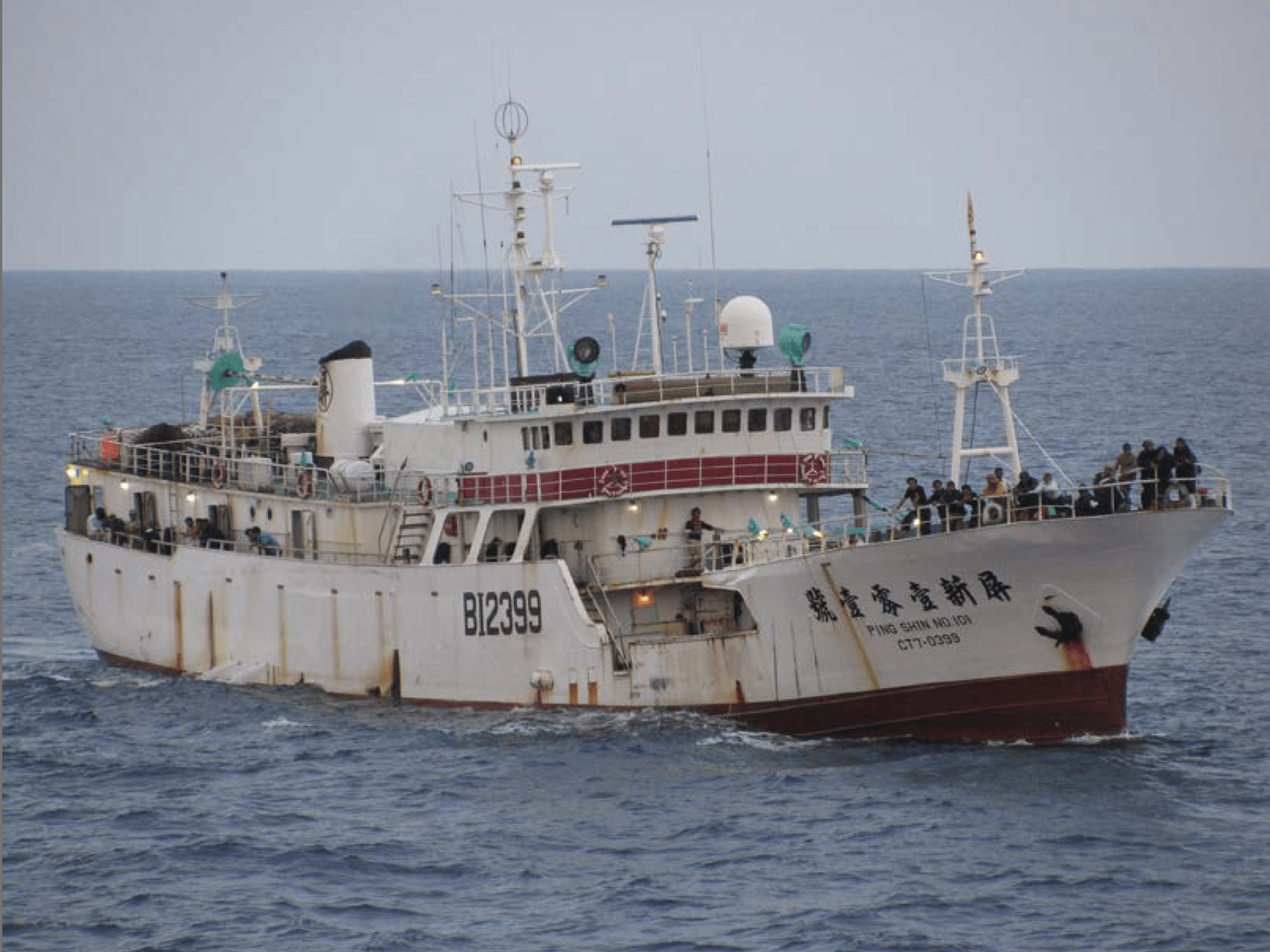
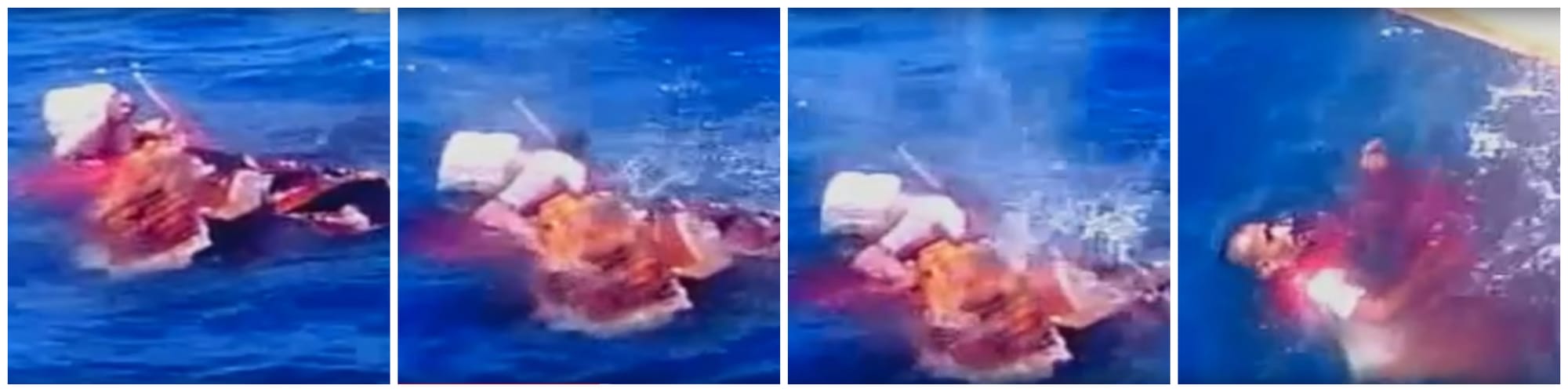
At least seven unarmed men were executed at sea — a massacre captured on a cell phone left in a Fiji taxi. A five-year investigation identified the victims, the vessel, and the killers, and put a captain in prison.
Documented outcomeThe ship's captain was arrested and sentenced to prison.
This song was based on an investigation by Ian Urbina that began in 2014 at The New York Times. That investigation focused on a slow-motion slaughter caught on a cell phone camera. The footage from that cell phone showed several men clinging to what looks like the wreckage of an overturned wooden boat. The men are surrounded by several large white industrial tuna ships. The sky above is clear and blue; the sea below, dark and choppy. The men in the water, numbering at least 7, are unarmed. Off camera, someone begins killing the men in the water, using a semi-automatic weapon. At least 40 rounds are fired. At one point during the footage, a man bobbing in the sea raises his arms in a seeming sign of surrender before he is shot in the head. He floats face down as his blood stains the blue water.
This crime might have remained hidden, if not for a cell phone discovered in the back of a taxi in Fiji. That cell phone contained unedited footage documenting the killings. During the killings, a voice, seemingly the captain's, can be heard urging the crew to “shoot, shoot, shoot.” At the end of the video, several men from the crime scene, possibly perpetrators or witnesses to the killings, pose for selfies and celebrate on camera.
After it was found in the taxi, the cell phone was turned over to Fijian authorities, who briefly opened an investigation but soon closed it, citing an inability to determine the jurisdiction where the killings occurred. This is a common challenge in crimes committed at sea. (See the documentary and stories tied to this investigation)
Investigations at sea are rare and difficult because laws are few and murky. Even when rules apply, the high seas lack police with the authority to enforce them. Victims of crimes at sea are typically reluctant to testify. Evidence is scarce.
Urbina started the investigation after a source at Interpol provided him with the footage. Initially for The New York Times, the investigation continued for five years with Urbina’s team at The Outlaw Ocean Project. That reporting ultimately succeeded in identifying the victims, the vessel, those responsible, and the ship where the shootings occurred. The ship's captain was arrested and sentenced to prison.
The song highlights the unusually high barriers to investigating crimes at sea. It also points to the scale of danger and violence in global fishing, an industry that has been ranked as the deadliest profession in the world, with more than 100,000 workers dying each year. Some of these deaths result from violence, and when murder occurs on the high seas, it often goes unreported.
Anywhere Else

Two stowaways were set adrift on a makeshift raft in the open Atlantic by the captain who found them. Their survival exposed the deadly incentives that turn desperate migrants into disposable cargo.
This song is based on reporting by Ian Urbina that started in 2015. It focuses on stowaways, who, for as long as ships have crossed oceans, have hidden aboard in search of a better life, risking assault, arrest, and death. Under guidelines from the U.N.’s International Maritime Organization, captains are required to return stowaways safely to port. Captains are often reluctant to do so because they will likely face delays, fines and repatriation costs, along with costly delays.
These pressures create dangerous incentives. In extreme cases, stowaways are murdered and thrown overboard. Sometimes they are instead “rafted,” set adrift on crude, makeshift vessels assembled from materials like empty fuel drums. While such acts amount to murder, prosecutions are rare, particularly in international waters. Even when rescued, stowaways are frequently detained and ultimately deported.
The lead story in this investigation was about David Mdolwa, who was one of two Tanzanian stowaways discovered by a ship captain, far off the coast of West Africa. The captain put the men onto a rickety raft, the crew cut them adrift. The men eventually were spotted by a fishing ship and rescued. More broadly, the reporting about their experience and the resulting song sought to highlight the way that the sea is a liminal space, one that many people view as an escape or passageway to a better life. But, for all its extra-legal status, the sea can also be a dystopian realm where that same freedom from law results in dark inhumanities.

Magic Pipe
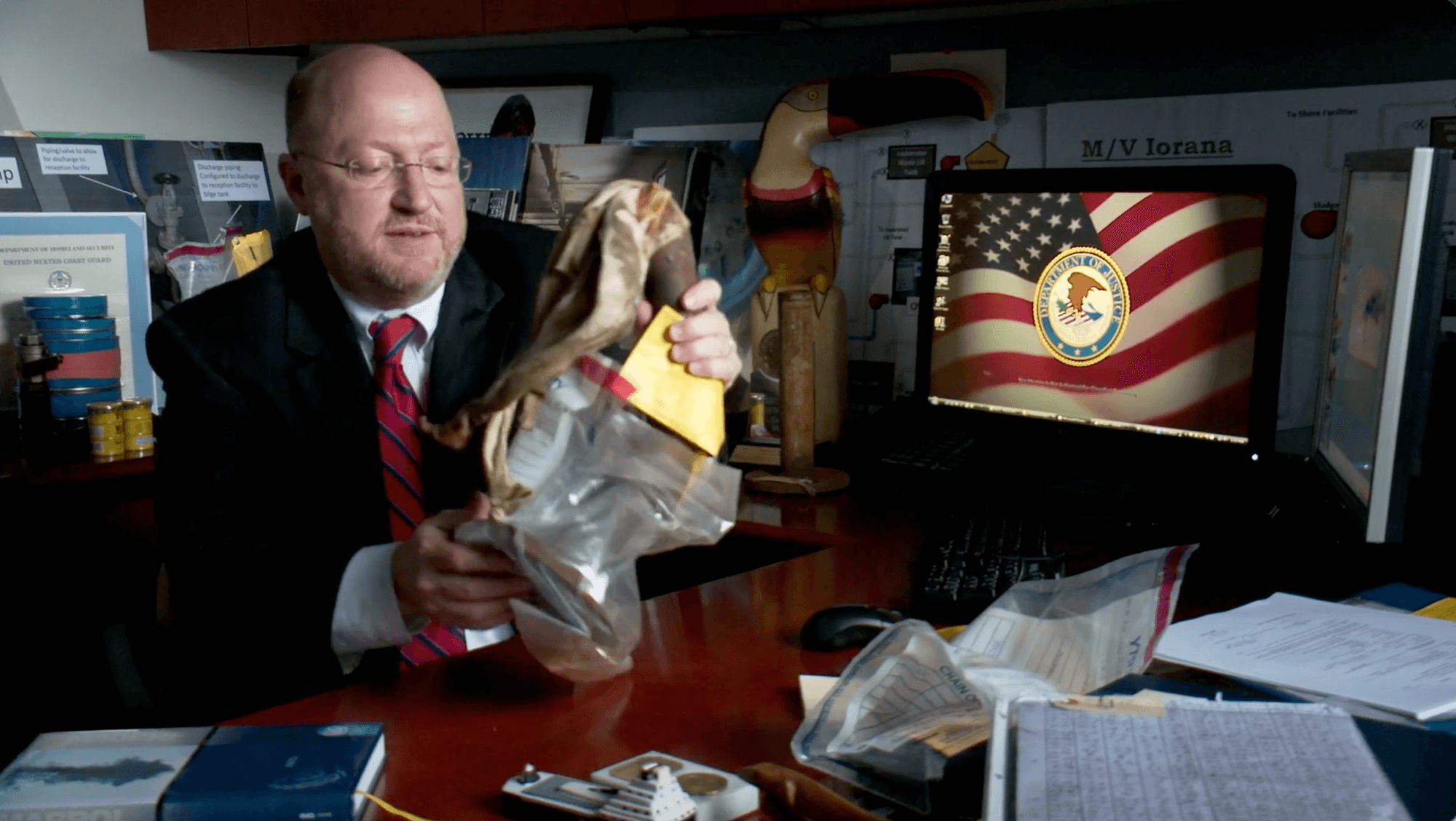
A young engineer discovered a secret pipe dumping oily waste straight into the sea — and his whistleblowing led to a $40 million fine, among the largest environmental penalties in maritime history.
Documented outcomeA $40 million fine against the parent company — among the largest in history.
This song is based on at-sea reporting from the North Atlantic and Scotland starting in 2016. That investigation centered on an illegal practice used by some large vessels to illegally dump oil and engine waste at sea. In these cases, captains use what is known as a “magic pipe” to bypass onboard pollution controls, allowing oily sludge to be discharged directly into the ocean, effectively making it disappear.
By law, vessels must store oil, sludge, and contaminated water until it can be offloaded and treated in port, a process that is both expensive and time-consuming. While public attention often focuses on major oil spills, a quieter and more persistent problem exists: the routine, intentional dumping of waste at sea. On average, more oil and sludge are deliberately discharged every few years than were released in the Exxon Valdez oil spill and the Deepwater Horizon oil spill combined.
The reporting focused on the case of Chris Keys, a 28-year-old Scottish engineer, who worked on the Caribbean Princess cruise ship when in 2013 discovered a magic pipe. He reported it to US Coast Guard officials in what eventually resulted in federal charges and a $40 million fine against the parent company, among the largest in history. (See video about magic pipes.)
The larger point of Urbina’s reporting about magic pipes was to highlight the way that the oceans have long been used as a global trashcan. For centuries, humanity has seen the seas as so vast as to have a limitless ability to absorb and metabolize all, a perception that has given license to dump virtually anything offshore. Oil, sewage, corpses, chemical effluvium, garbage, military ordnance, and even at-sea superstructures like oil rigs disappear into the ocean, as if swallowed up by a black hole, never to be seen again. The real crime of ocean dumping, though, is that for most of history it was not even considered a crime.


Filthy Mouth
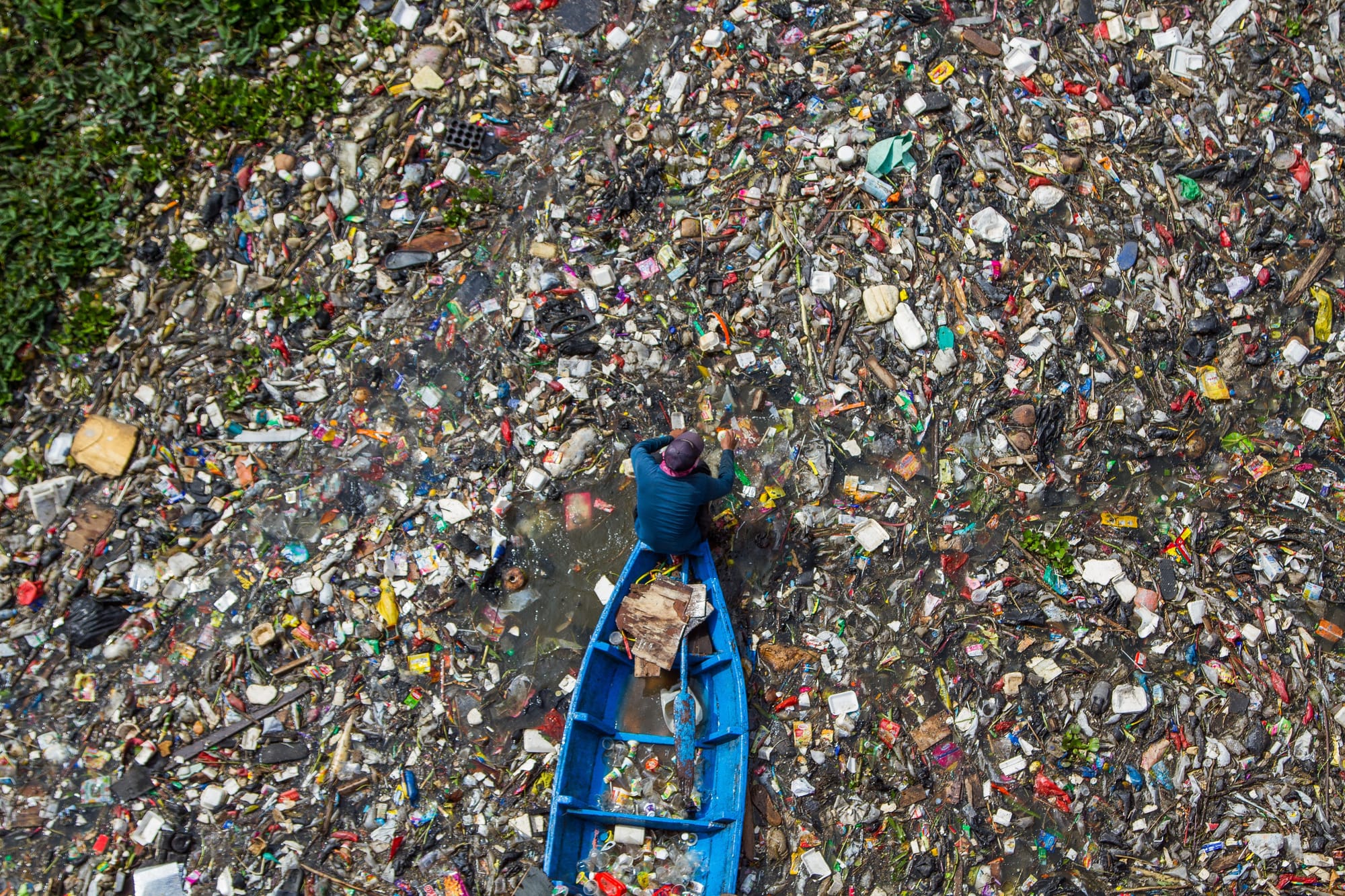
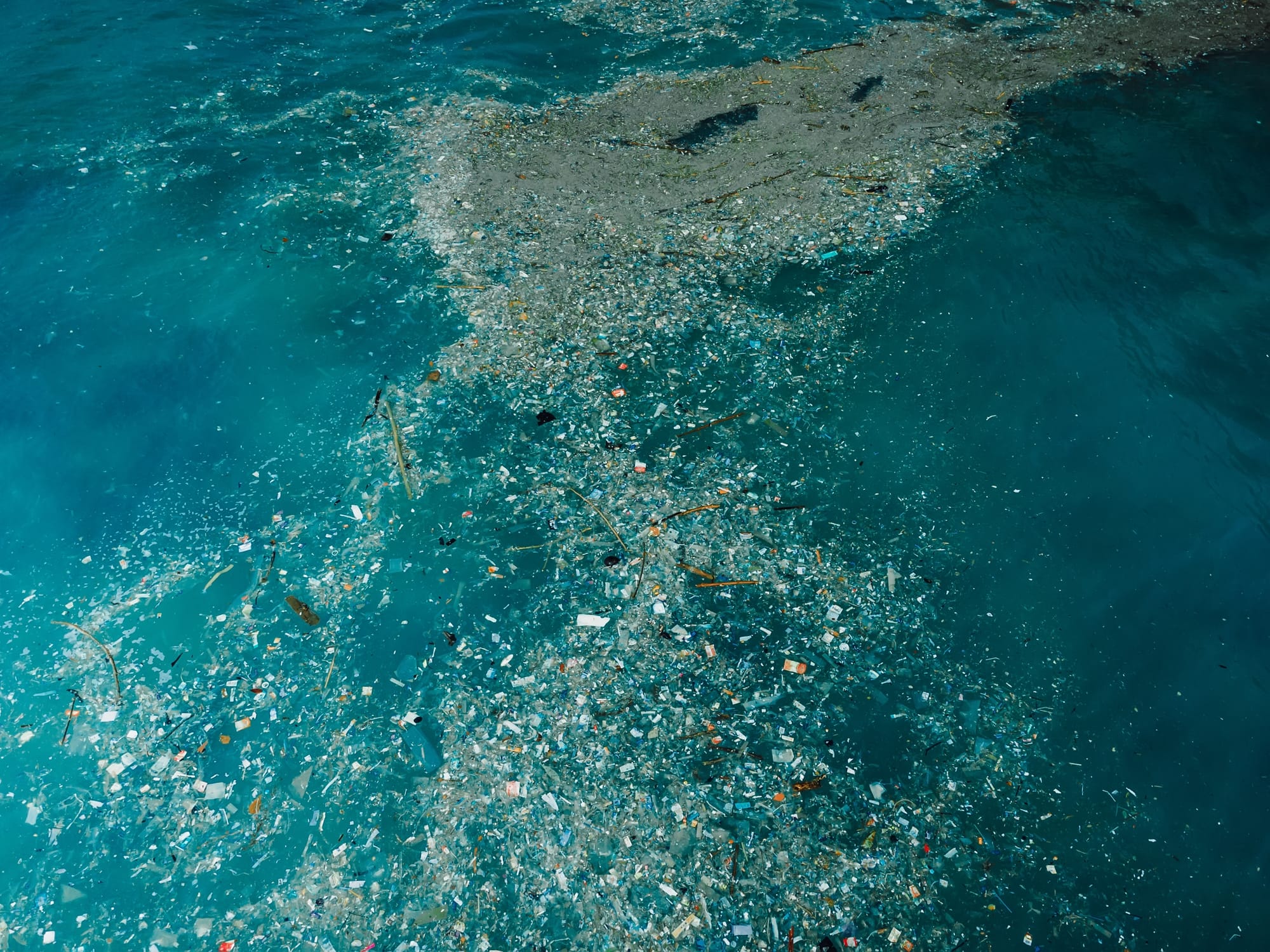
Millions of tons of plastic enter the oceans every year, from deep-sea trenches to Arctic ice to the human body. On current trends, the flow will triple by 2040.
This song is based on at-sea reporting that began in 2016 and that focused on the overwhelming amount of plastic pollution in the world’s oceans.
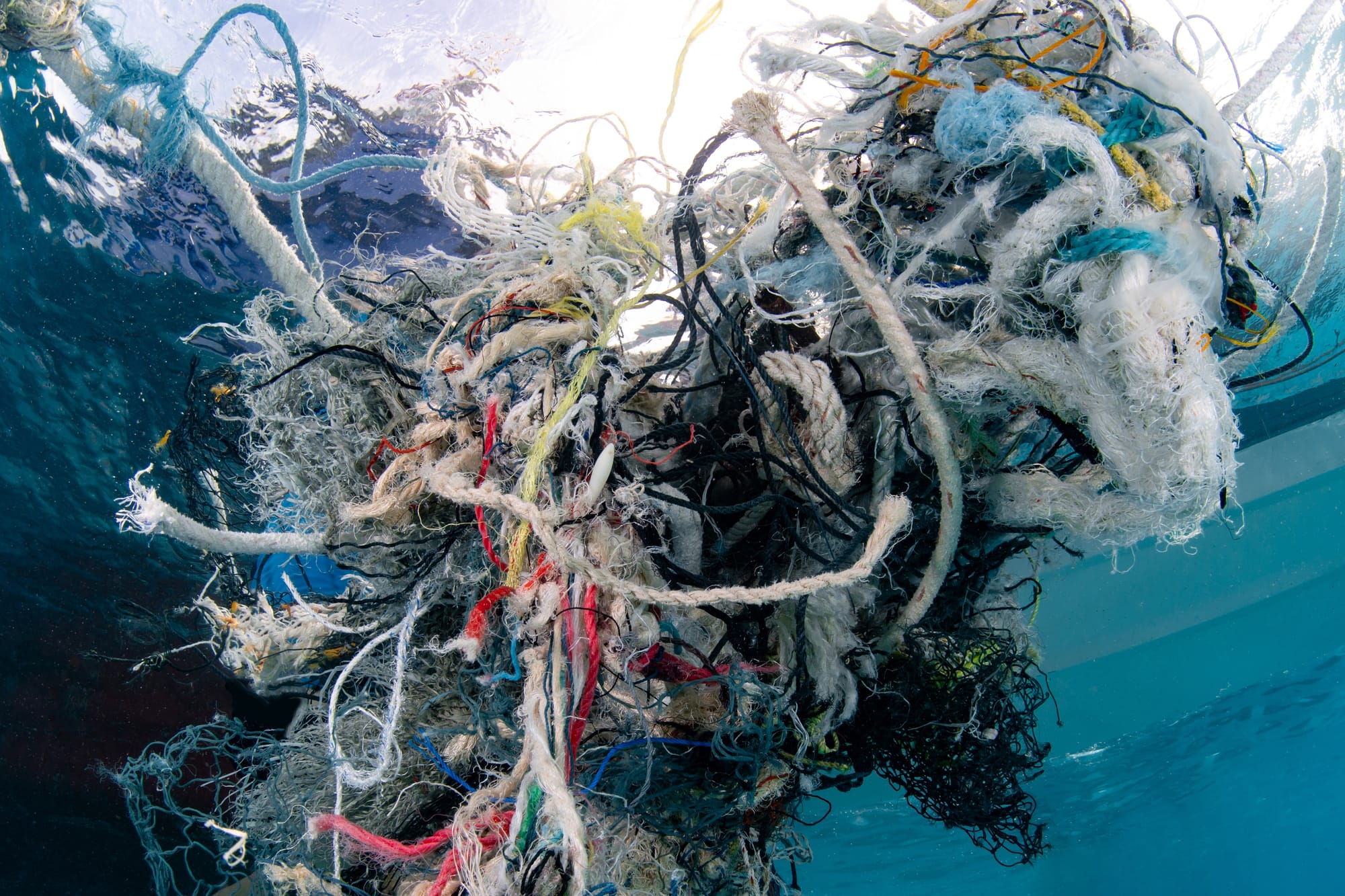
Millions of tons of this toxic material newly enters the oceans each year. Unlike other forms of waste that makes its way offshore, plastic is especially destructive because it bio-accumulates and takes hundreds of years to break down. Much of this material is microplastics, which are tiny fragments that now number in the trillions and have been found everywhere from deep-sea trenches to Arctic ice, as well as in seafood and the human body. Scientists estimate that more than 700 marine species are affected by plastic pollution, with animals frequently ingesting debris or becoming entangled in it.
About 80 percent of ocean plastic originates on land, carried by rivers, wind, and inadequate waste systems, while the remainder comes largely from fishing gear and maritime industries. Ocean currents concentrate much of this debris into vast accumulation zones such as the Great Pacific Garbage Patch, a sprawling region of dispersed plastic roughly twice the size of Texas. If current trends continue, the volume of plastic entering the oceans is expected to triple by 2040.
Twelve Miles Out
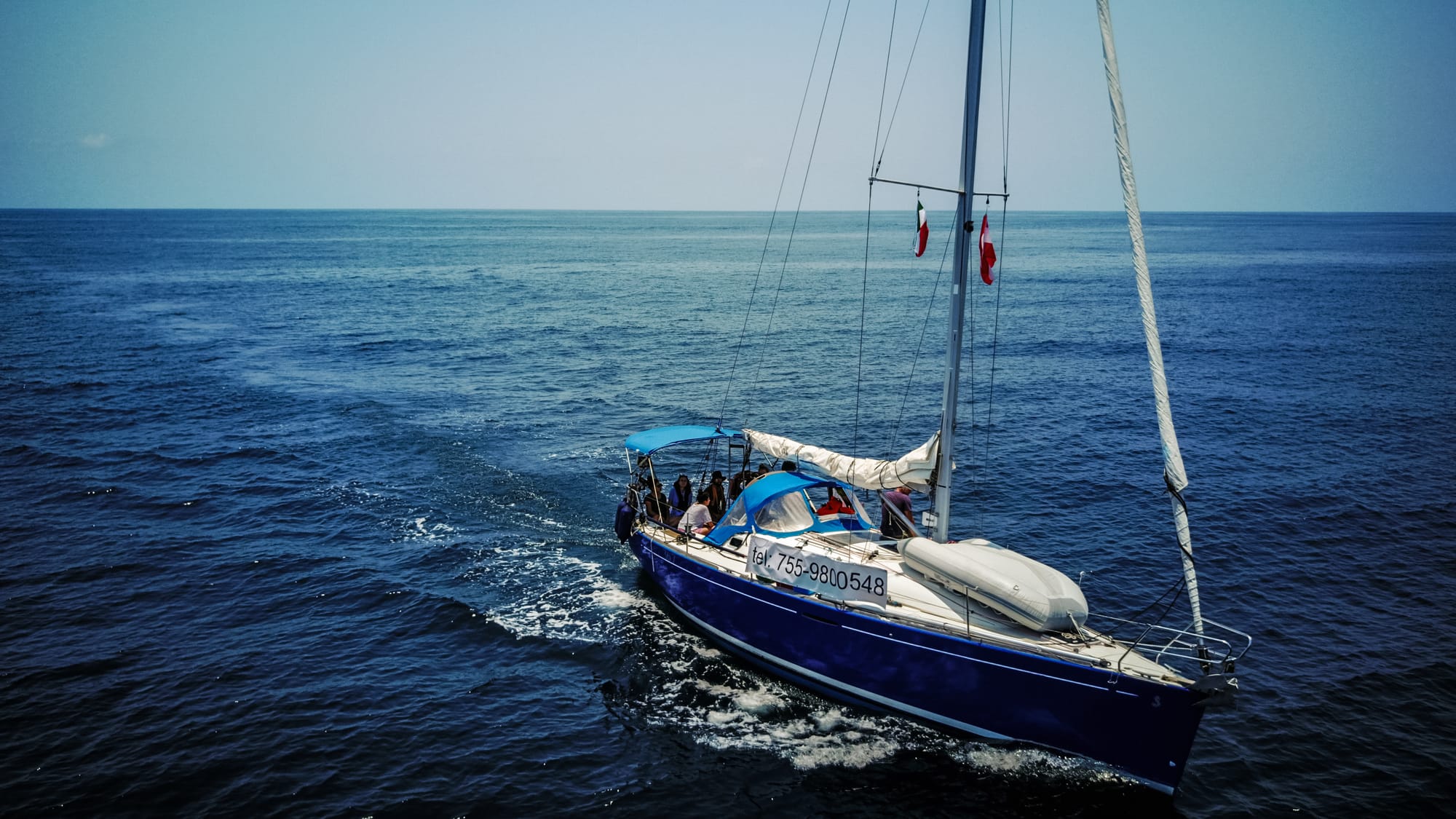
Twelve nautical miles from shore, national law ends. One doctor used that legal void to sail reproductive care to women in countries where it was banned — through bomb threats and blockaded ports.
This song is based on at-sea reporting by Ian Urbina from the North Pacific and Mexico that started in 2016. During that time, Urbina went offshore with a Dutch doctor-turned-artist named Rebecca Gomperts. He wanted to chronicle her work as part of a larger look at the legal loopholes that exist on the high seas.
Across most of the planet, roughly twelve nautical miles from shore, lie international waters, an area largely outside the jurisdiction of any single nation, where enforcement is limited and oversight is thin at best. These conditions have long been exploited by scofflaws for their own gain. In one notable case, though, this legally ambiguous realm was used to expand access to reproductive care.
Gomperts spent several years working aboard a Greenpeace vessel. During that time, she encountered women from around the world in dire need of medical help and Gomperts grew increasingly motivated to action after witnessing the consequences of restrictive abortion laws. She observed that criminalizing abortion did not eliminate demand but instead drove the practice underground, exposing women to unsafe, unregulated procedures.
Gomperts also recognized a legal opening. By registering a ship in a country where abortion was permitted, she could operate under that nation’s laws once the vessel entered international waters. From there, patients could legally receive care unavailable to them on land.
In 1999, Gomperts founded Women on Waves. The organization sailed to countries including Mexico, Ireland, and Portugal, bringing women aboard and traveling beyond territorial waters to provide medication abortions. The effort drew intense opposition, including bomb threats, protests, and attempts to block access to ports. (See video about the organization.) Despite this, Gomperts and her team continued to use the legal ambiguities of the high seas to deliver reproductive care services to women in need.
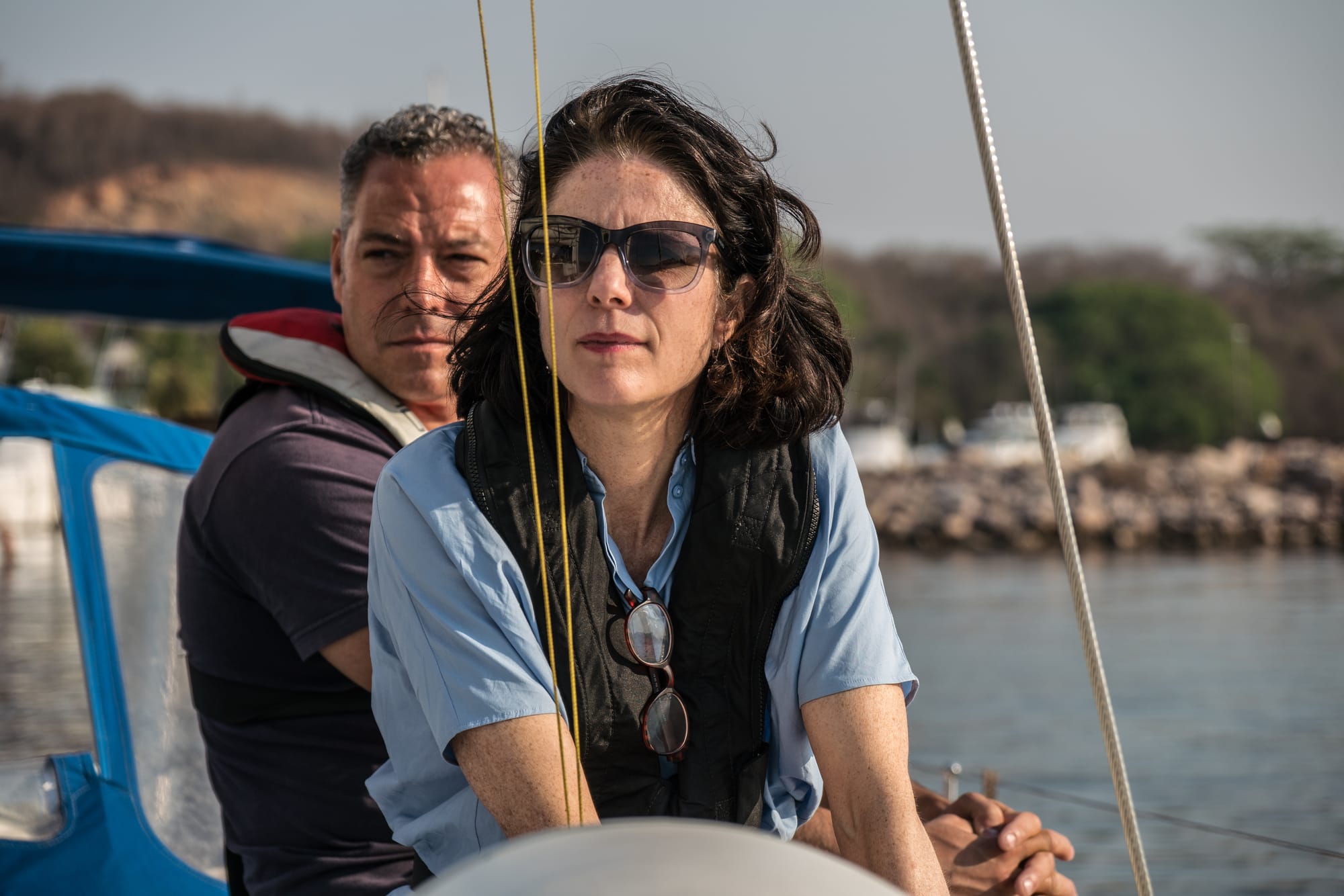

The Interview
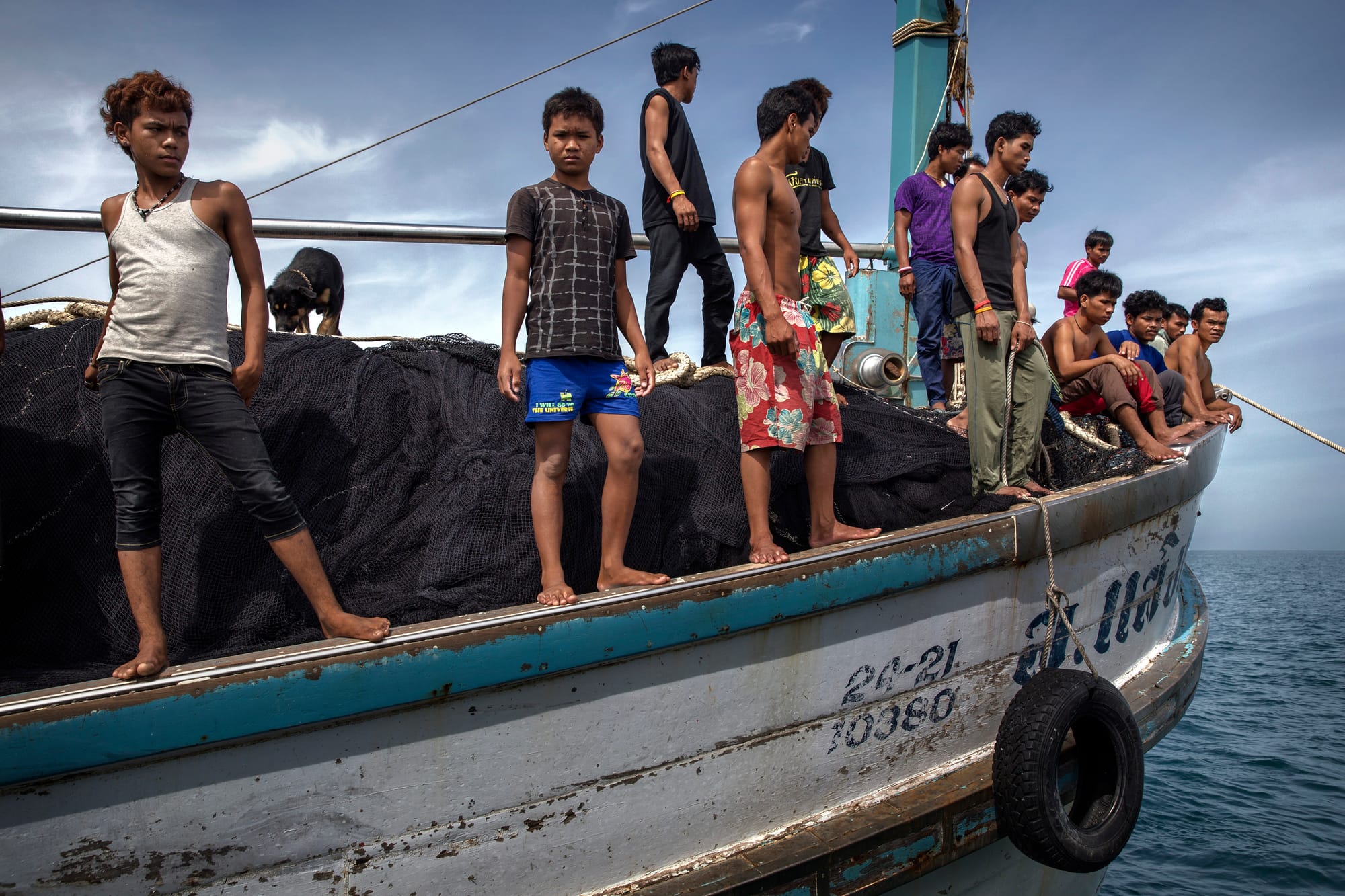
Trafficked, shackled by the neck, and sold boat to boat for years: one man's story of "sea slavery" led to his captor's conviction and helped change fishing-labor law in Thailand, the US, and the EU.
Documented outcomeThe reporting led to the arrest and conviction of the ship captain, and it helped drive legislative and regulatory changes in Thailand, the US, and the EU.
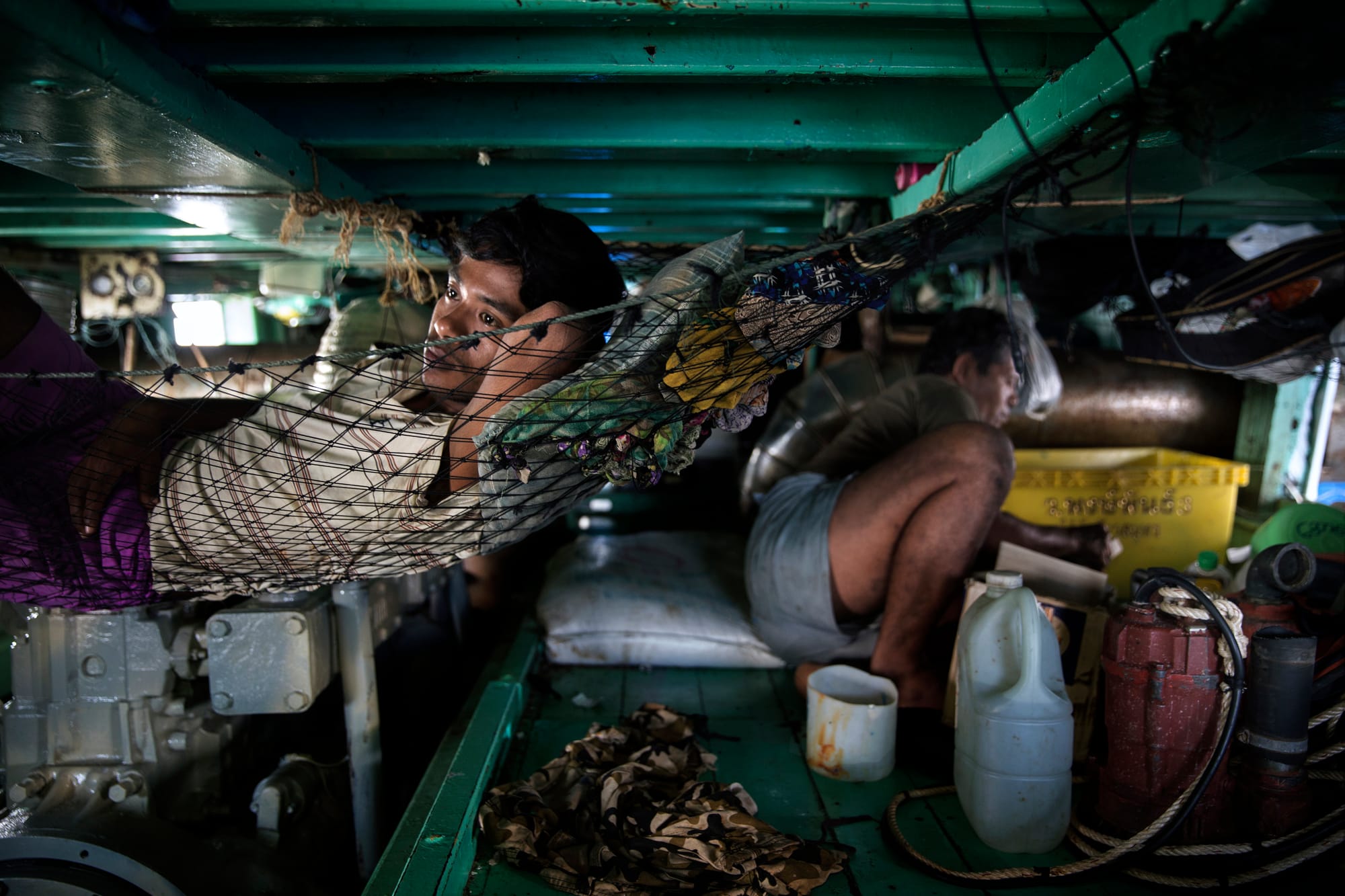
This song is based on at-sea reporting from the South China Sea and from Thailand, Myanmar, and Cambodia that began in 2014. It focused on “sea slavery” and the widespread use of forced labor in the industrial fishing industry.
This reporting initially focused on the case of one man, named Lang Long, who worked on a Thai fishing ship after being trafficked and sold to a captain. After trying to escape, Long was shackled by the neck and sold like chattel, boat-to-boat, for several years. He was eventually rescued and returned to shore, where Ian Urbina interviewed him about his experiences. That reporting led to the arrest and conviction of the ship captain and it helped drive legislative and regulatory changes in Thailand, the US, and the EU. (See video about ‘sea slavery’).
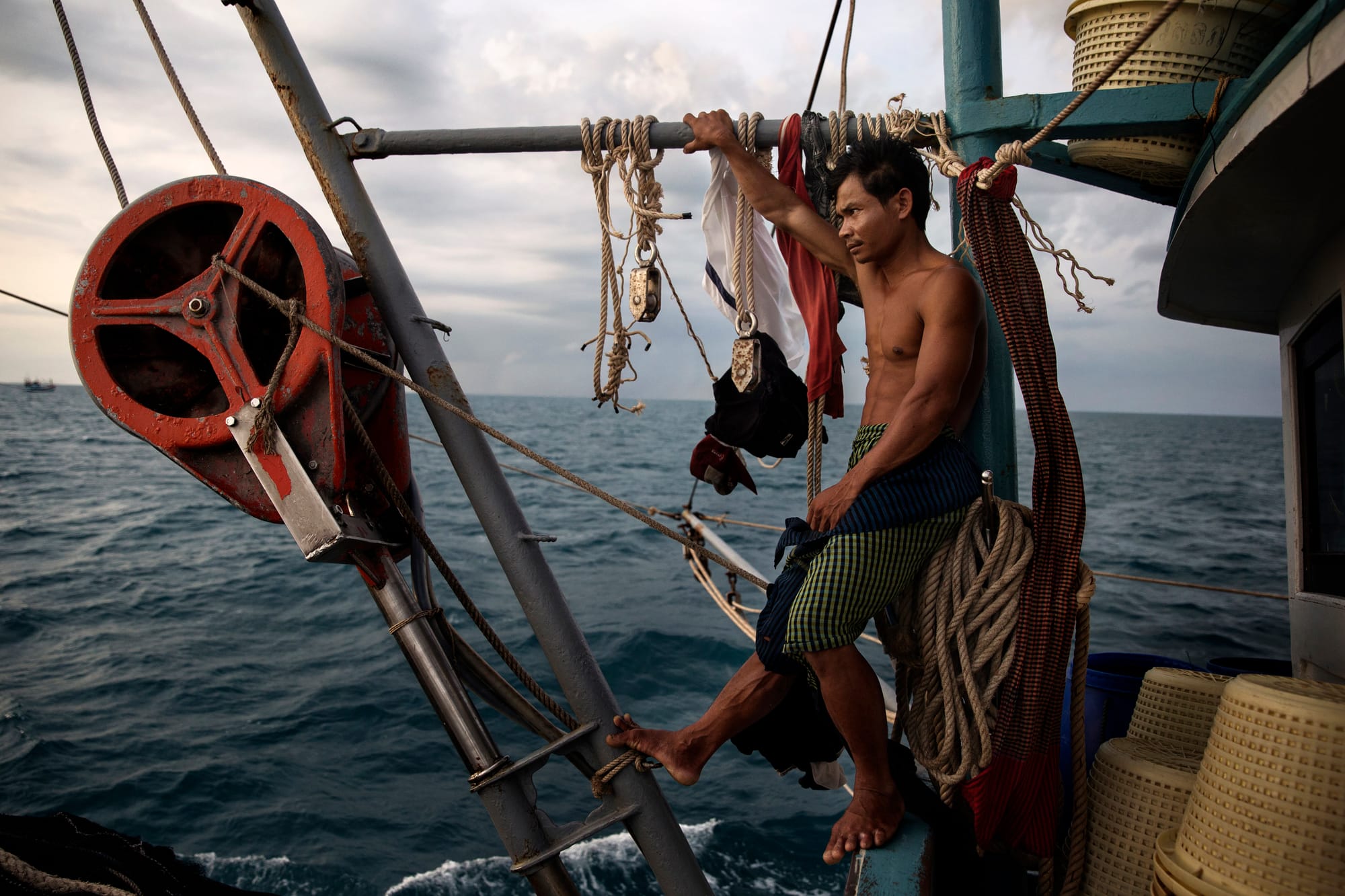
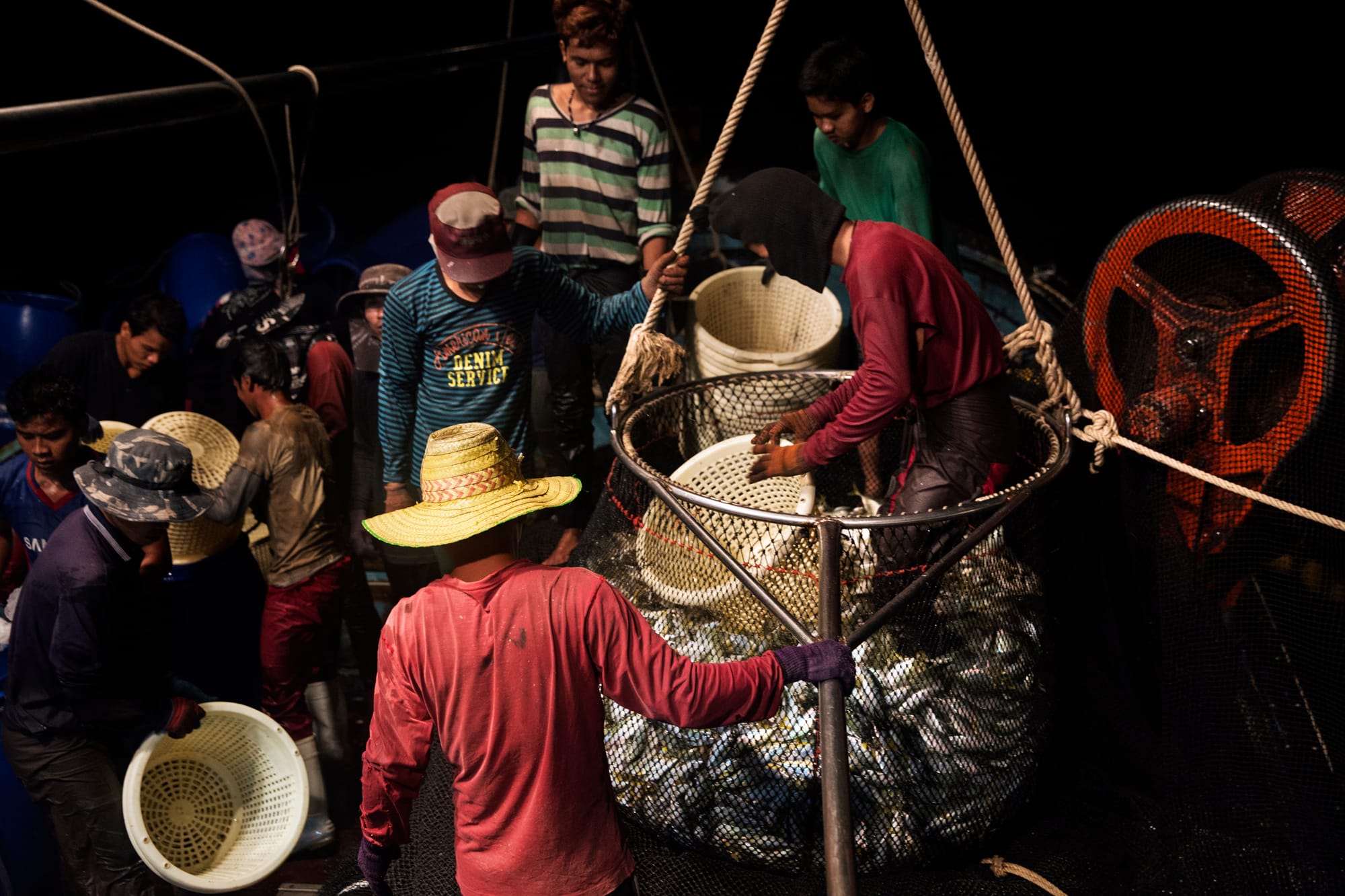
On industrial fishing ships that target the high seas, forced labor remains pervasive. Operating far from shore, captains and crews often operate with impunity and little oversight. Crew who work on these ships are often recruited by manning agencies and trafficked across borders.
These workers are typically charged for transportation, training, and placement, costs they have to repay before earning any wages, which lands them into debt bondage. Once at sea, their earnings are routinely withheld or reduced through deductions for food, equipment, or alleged mistakes, as well as fabricated penalties. Extreme violence is also a common method for keeping these workers trapped.
Gods of Men
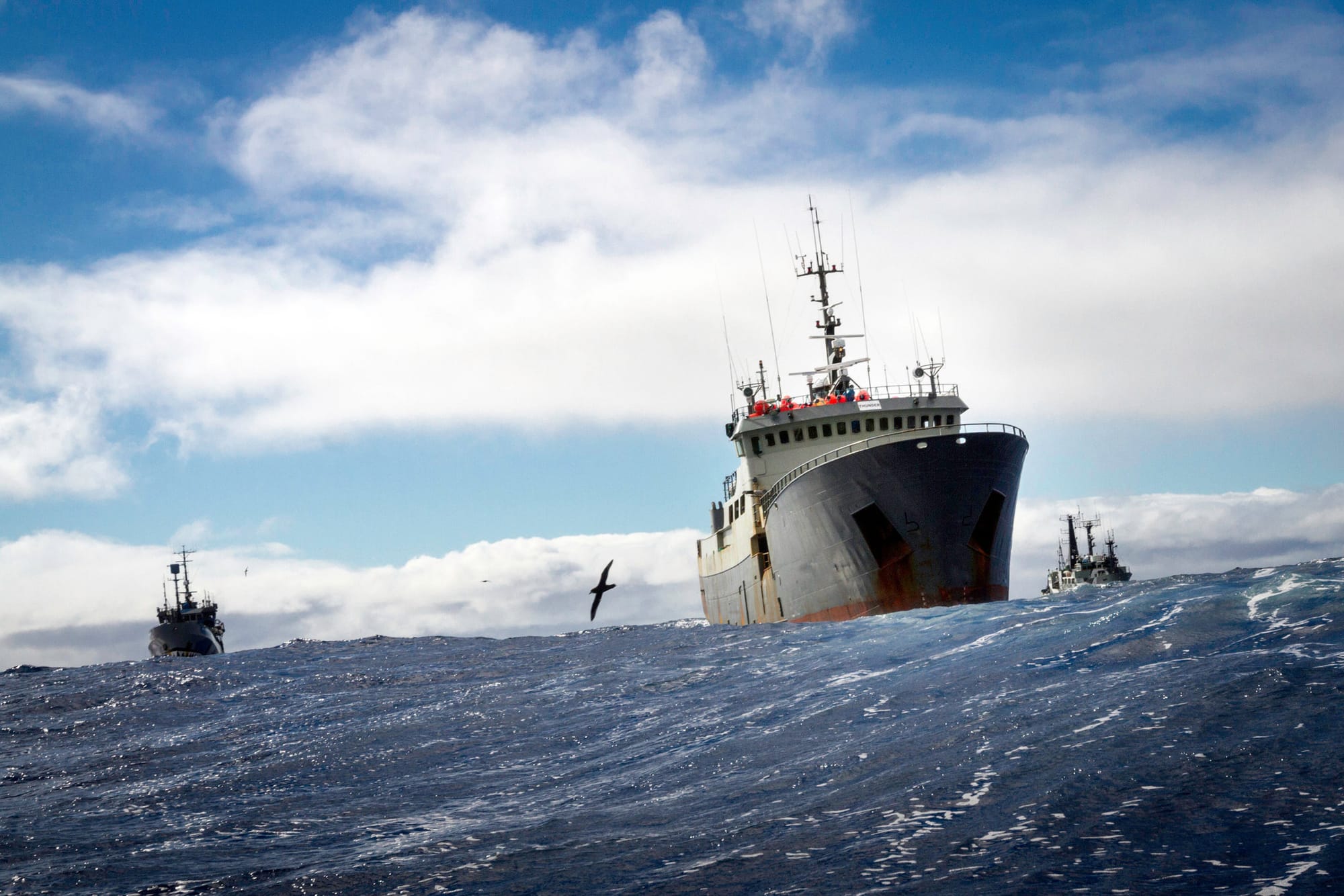
Interpol's most-wanted fishing vessel fled for 110 days and 10,000 miles with vigilante conservationists in pursuit — until its captain sank his own ship to destroy the evidence. He was convicted anyway.
Documented outcomeThe captain and officers were arrested, convicted, and fined.
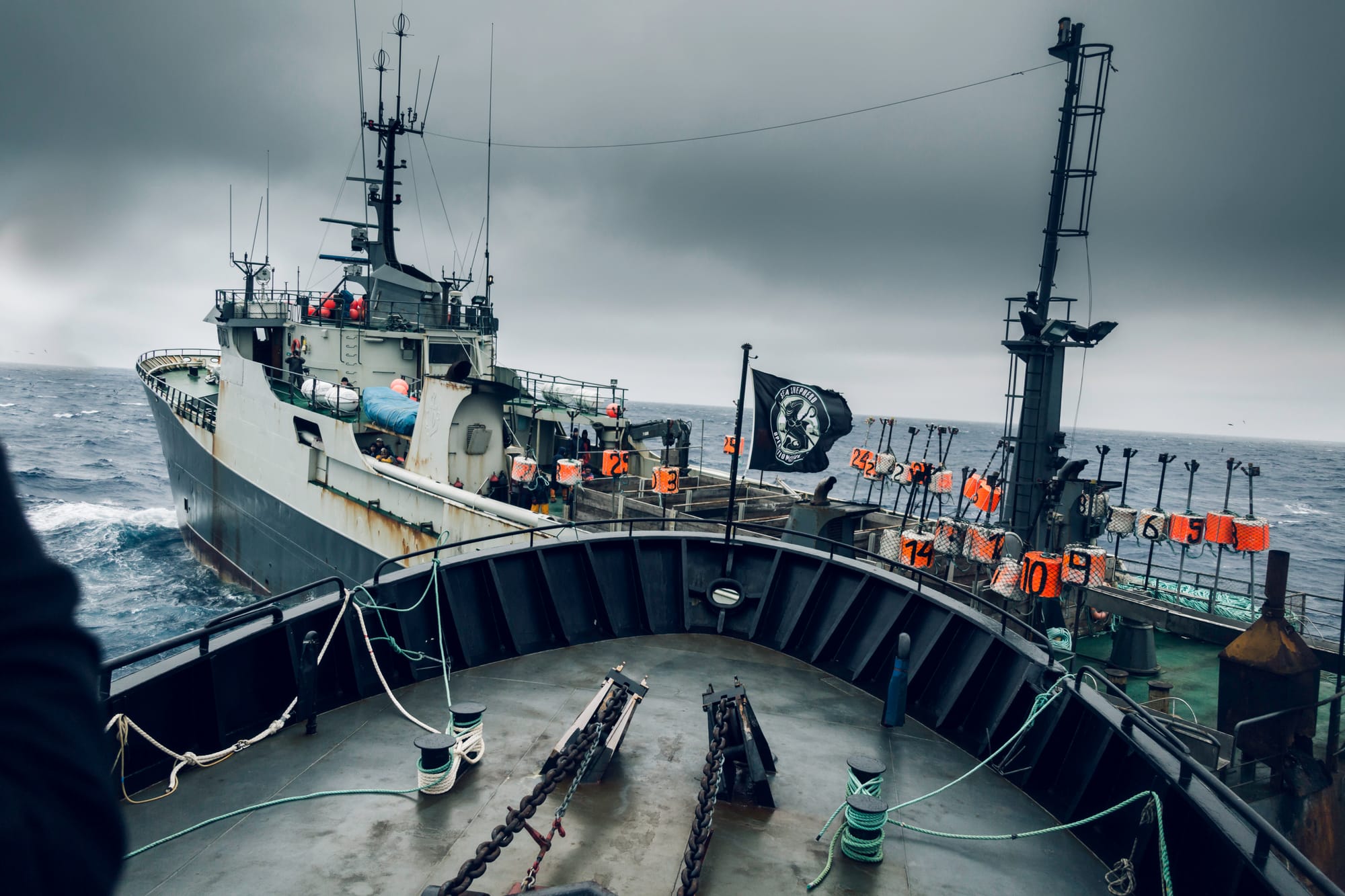
This song is based on reporting at sea and on land by Ian Urbina that started in 2014 and that spanned the South Atlantic, Antarctica, and a half dozen African countries. The reporting was focused on the pursuit of the Thunder, an industrial fishing ship that, at the time, topped Interpol’s most wanted ship list, which meant it was to be arrested on site. The Thunder had been linked to years of illegal fishing worth millions of dollars but no government had been willing to arrest it.
So, a vigilante conservation group called Sea Shepherd decided to pursue the ship, hoping to direct international attention on the larger failure of governments to enforce the law. The chase by Sea Shepherd became what many experts say is among the longest sea-chase in nautical history, lasting more than 110 days as the Thunder fled more than 10,000 miles.
The chase ended when the Thunder’s captain opted to sink his own ship rather than allow authorities to capture his vessel and the evidence of illegality. Sea Shepherd rescued the crew and eventually the captain and officers were arrested, convicted and fined.
The reporting highlighted the overlooked problem of illegal fishing which is pervasive partially because governments lack the tools or political will to police the seas. But the larger point of the story was that the Outlaw Ocean is indeed a lawless realm where, sometimes, it takes a pirate to catch a pirate.
The Ocean Actions Index catalogs what governments, companies, and individuals can do about each of the problems documented in this film.